

Amsterdam Serviced Apartments for Expats & Professionals
James Evans • Sun, Mar 22, 2026
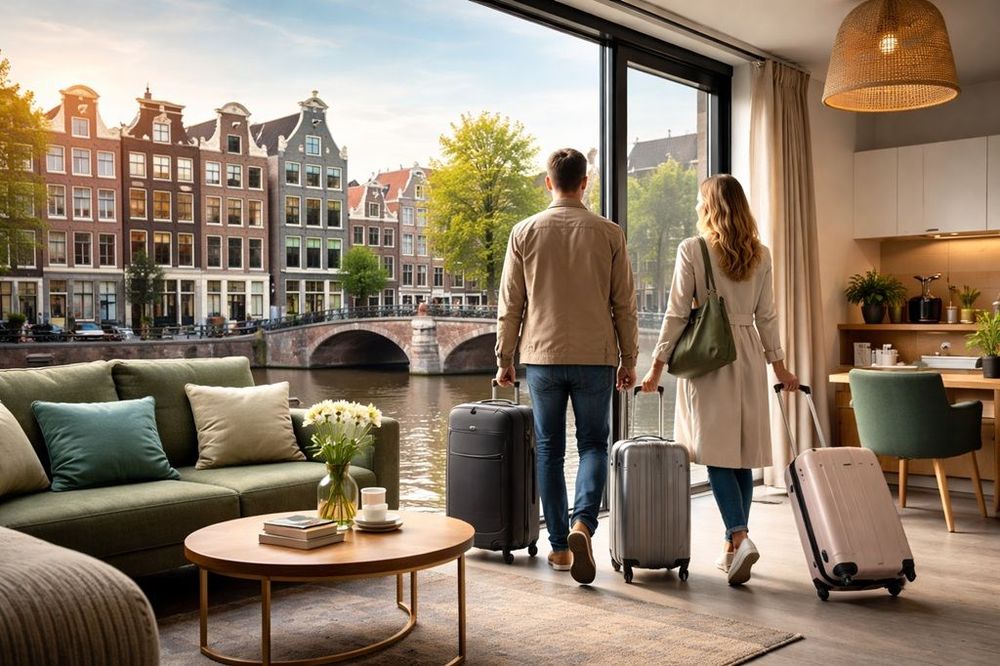
Fully furnished, all-inclusive apartments with flexible 2+ month contracts. Move in. Register. Feel at home.
What Is a Serviced Apartment in Amsterdam?
A serviced apartment is a fully furnished, self-contained home available for medium to long-term stays. Unlike a hotel room, you have a proper kitchen, a living area, and a real address — which matters enormously when you're living and working in Amsterdam, not just passing through.
For expats arriving in the Netherlands, a serviced apartment solves three problems at once: it gives you somewhere to live immediately, somewhere to register your address for your BSN, and a comfortable base while you find your feet in a new city.
Your BSN (citizen service number) is essential for opening a Dutch bank account, accessing healthcare, signing employment contracts, and more. You can only obtain one after registering at a valid residential address — which City Retreat apartments support from day one.
Fully Furnished
Move-in ready from day one. Every apartment is inspected and equipped before you arrive.
All Utilities Included
Electricity, water, gas, and high-speed Wi-Fi — all covered in your monthly rate.
Flexible Contracts
Flexible stays, no fixed end date and a 1 month's notice to leave. No year-long lock-ins. Contracts adapt to your timeline.
BSN Registration
Register your Amsterdam address with the municipality from the start of your tenancy.
Deep-Cleaned on Arrival
Every apartment is professionally cleaned before check-in, every time.
48hr Maintenance
Issues handled in-house and resolved within 48 hours — no chasing landlords.
The Amsterdam Housing Market: What Expats Actually Face
Amsterdam's rental market is notoriously difficult. Demand consistently outpaces supply, and the rules for short-to-medium term rentals have tightened considerably in recent years. If you're arriving for a relocation, a project contract, or a study year, here's what you're up against.
| Challenge | Private Rental | Hotel / Airbnb | City Retreat |
|---|---|---|---|
| BSN / address registration | ✓ | ✗ | ✓ |
| No minimum income required | ✗ | ✓ | ✓ |
| Flexible terms | ✗ | Short only | ✓ |
| All-inclusive pricing | ✗ | ✓ | ✓ |
| Fully furnished on arrival | Rarely | ✓ | ✓ |
| Real Amsterdam apartment feel | ✓ | ✗ | ✓ |
| Available within days | ✗ | ✓ | ✓ |
Private rentals in Amsterdam almost always require a minimum 12-month contract, proof of Dutch employment, and a salary of at least three times the monthly rent. For anyone arriving on a project basis, a short relocation, or between contracts, that simply doesn't work.
Hotels and Airbnbs solve the short-term problem but don't allow municipality registration — which means no BSN, no bank account, no DigiD. City Retreat sits squarely in the gap: real apartments, real addresses, flexible timelines.
How Much Do Serviced Apartments in Amsterdam Cost?
Costs vary by size, location, and contract length. City Retreat's pricing covers rent, utilities, Wi-Fi, furnishings, and linen — so the figure you see is the figure you pay.
All rates include electricity, water, gas, high-speed Wi-Fi, fully furnished interiors, kitchen equipment, bed linen and towels, a professional deep-clean before arrival, and access to our team throughout your stay.
Amsterdam Neighbourhoods: Where to Live as an Expat
Amsterdam is a compact city, but each neighbourhood has its own character. City Retreat has apartments across the most desirable areas for international professionals and their families.
City Centre / Canal Ring
Grachtengordel · CentrumAmsterdam's historic heart. UNESCO-listed canal houses, walking distance to everything. Lively, central, and unmistakably Dutch.
De Pijp
Vibrant · CosmopolitanAmsterdam's most international neighbourhood. Home to the Albert Cuyp Market, dozens of cuisines, and a lively café culture.
Amsterdam Zuid / Zuidas
Business District · PolishedThe city's financial and corporate district. Home to major multinationals and investment banks. Excellent transport links to Schiphol.
Jordaan
Charming · ResidentialNarrow streets, independent galleries, and neighbourhood bakeries. One of Amsterdam's most sought-after areas — quiet enough to live in, interesting enough to never tire of.
Oud-West
Residential · RelaxedLeafy streets, Vondelpark on the doorstep, and great local markets. Popular with families and professionals who want space and calm.
Amsterdam East
Creative · Up-and-ComingArtis Zoo, Oosterpark, craft coffee shops, and a genuine local community. Excellent value and increasingly popular with younger expats.
How to Book an Amsterdam Serviced Apartment with City Retreat
Most tenants go from first enquiry to confirmed booking within a few days.
Browse Available Properties
Search live availability by move-in date, duration, and bedrooms. Each listing shows photos, floor plans, and exactly what's included.
Speak to Our Team
Our team knows the portfolio inside out and can match you to the right apartment. No sales pressure — just practical help.
Review and Sign Your Contract
A straightforward tenancy agreement. Flexible start dates, clear terms. No surprises in the small print.
Move In
We meet you at the apartment for a full handover — keys, walk-through, and a rundown of your new home and neighbourhood.
Register Your Address
We support your municipality registration so you can get your BSN and settle into Amsterdam without unnecessary delays.
Trusted by Expats & Corporate Professionals
We've housed professionals from over 50 countries since 2012. Here's what a few of them had to say.
Moving to Amsterdam for a six-month project felt daunting, but City Retreat made it genuinely easy. The apartment was exactly as described, the team helped with my registration, and any questions were answered the same day.
We needed somewhere for our new Amsterdam hire to land while they sorted a permanent place. City Retreat sorted everything quickly and professionally. We use them for every relocation now.
The Canal Ring apartment was beautiful — genuinely felt like my own place rather than a serviced room. Having utilities and Wi-Fi included made budgeting for a three-month stay very straightforward.
I arrived not speaking any Dutch, with no bank account and no idea how to navigate registration. City Retreat walked me through everything. By week two I had my BSN sorted. I can't recommend them highly enough.
Frequently Asked Questions
City Retreat offers flexible contracts, no fixed end date with a 1 month's notice to leave. If your plans change, we'll work with you — we're not in the business of holding people to terms that no longer fit their situation.
Yes. City Retreat operates registered serviced accommodation, meaning tenants can register their address with the municipality of Amsterdam to obtain a BSN — one of the most important practical advantages we offer over hotels and short-let platforms.
Everything you need to live: all utilities (electricity, water, gas), high-speed Wi-Fi, fully furnished interiors with kitchen equipment, fresh linen and towels, and a professional deep-clean before your arrival. No hidden extras.
No. Private landlords often require Dutch payslips or a minimum salary multiple, which excludes many expats, self-employed professionals, and those arriving ahead of their start date. City Retreat doesn't apply those same restrictions.
City Retreat has apartments in the Canal Ring / City Centre, De Pijp, Amsterdam Zuid / Zuidas, Jordaan, Oud-West, and Amsterdam East. Availability changes regularly — browse current listings or contact us for up-to-date options.
Often within a few days of confirming your booking, subject to availability. If you're arriving at short notice, tell us and we'll do our best.
Absolutely. A significant portion of our tenants arrive through corporate relocation packages. We work directly with HR teams and mobility managers, including invoicing arrangements and multiple bookings across the year.
Ready to Find Your Amsterdam Home?
Browse current availability across all City Retreat neighbourhoods — or get in touch and let us find the right match for you.
View Available Apartments